
LVREIA Meetup: Mike Sup's Unseen Margin Killers Making Him Think Like an Inspector-Investor

Updated: Jul 15
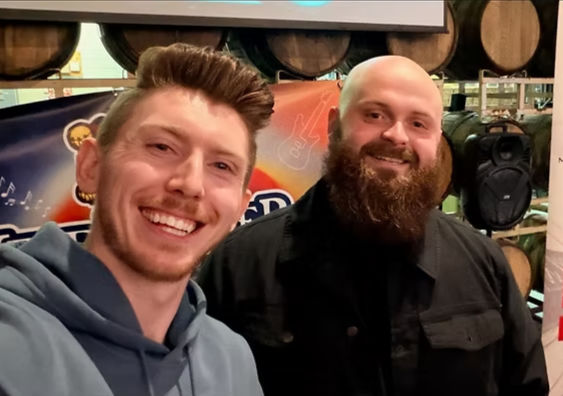
In the world of multifamily real estate, "glossy listing photos" are the ultimate sirens. They lure you in with fresh LVP flooring and stainless steel appliances, but as any seasoned pro will tell you, the real deal-killers are lurking where the camera doesn't point: underground, behind drywall, and deep inside aging mechanical systems.
At the recent Lehigh Valley Real Estate Investors Association (LVREIA), we sat down with Mike Sup, founder of ROI Home Inspections and a savvy investor in his own right. Mike shared his unique framework for due diligence—a playbook designed to protect your cash flow and give you massive leverage at the negotiating table.
1. The Big Four: Where Budgets Go to Die
Most buyers obsess over kitchen cabinets, but Mike argues that your underwriting should prioritize the systems that can actually bankrupt a project. If you aren't looking at these "Big Four," you aren't doing real due diligence:
Sewer Laterals: A collapsed clay line (like the one Mike found in South Bethlehem) can cost five figures before you’ve even placed a tenant.
Septic Systems: Often ignored until they fail, these are high-stakes components in suburban or rural multifamily assets.
Foundation Integrity: Structural issues aren't just expensive; they can jeopardize your financing and exit strategy.
Underground/Basement Oil Tanks: Environmental liabilities can be a "black hole" for capital.
2. The Inspector’s "Top-Down" Workflow
Mike doesn’t just wander through a property; he follows a tactical sequence to spot "symptoms" before they become "surprises." Here is the ROI Home Inspections framework:
Start Outside: Examine the grading and drainage. If water isn't moving away from the building, it’s moving into it.
The Top-Down Sweep: Start at the roof and attic to check for leaks and structural sagging.
Run All Fixtures: Simultaneously. This stress-tests the plumbing and drainage systems to reveal hidden backups or pressure drops.
Connect the Dots: Match exterior clues (like a damp foundation wall) to interior symptoms (like mold or bowing drywall).
3. Investor-Friendly Upgrades vs. Normal Wear
Not every "deficiency" is a deal-breaker. Mike emphasizes distinguishing between normal wear and systemic risk. To protect your downside, focus your capital expenditures (CapEx) on upgrades that prevent rework later:
Ditch the Galvanized & Cast Iron: Replace these aging pipes during a turnover to avoid catastrophic leaks behind your new tile.
Kill the Knob-and-Tube: Modern insurance companies hate old wiring; addressing it early makes your refinance or exit much smoother.
Radon Mitigation: Especially in high-risk regions, a simple radon test and mitigation system are cheap insurance for tenant safety and future compliance.
4. The Power of "Objective Facts"
In today’s market, inspection contingencies are back. This is your chance to lead with data, not emotion. Mike suggests moving away from "bloated 75-page checklists" and focusing on a focused investor report that highlights high-impact items.
Whether it’s a property with thirteen dogs and a hacked sewer pump or a new construction build that needs quality control (yes, new builds have issues too!), the goal is the same: Verify the systems.
"Buy right, verify the systems that can bankrupt your budget, and let objective facts—not emotion—drive your offers." — Mike Sup


Comments